"Unlocking Mobility: Nine Star Ki's Wood Energy & Growth"

A Shifting Landscape: Navigating the Decline in Mobility
In recent days, a compelling tweet has surfaced, shedding light on a profound and multifaceted issue in America. The tweet states, "America’s defining mobility has stalled, leaving many people in houses that are too small, in jobs they don’t love, or shackled with 'golden handcuffs.'" This sentiment highlights a significant decline in both geographic and socioeconomic mobility within the United States, a trend with far-reaching political, economic, and international implications. For more, you can view the original tweet here.
Background and Context
Historically, the United States has been a land defined by the American Dream, characterized by high levels of geographic and socioeconomic mobility. In the 19th and early 20th centuries, Americans frequently relocated in pursuit of better opportunities, with traditions such as Moving Day epitomizing this dynamic mobility. However, since the 1960s, the frequency of relocation has significantly decreased. By 2023, only one in 13 Americans moved annually, a sharp contrast to the one in five recorded in the 1960s.
This decline can be attributed to various factors, including restrictive urban policies and zoning laws that prioritize preserving existing neighborhoods over new development. The renowned urbanist Jane Jacobs advocated against urban renewal in favor of maintaining neighborhood character, indirectly stifling growth and mobility in the process.
The stagnation in mobility challenges the core American values of opportunity and self-determination, raising questions about the effectiveness of current housing and labor policies. Politically, this issue is likely to influence debates surrounding urban planning, housing affordability, and labor market regulations, potentially leading to policy reforms aimed at revitalizing mobility.
Economically, reduced mobility contributes to stagnation. A decrease in relocations results in fewer new business formations and job switches, limiting economic dynamism. High housing costs exacerbate this issue, preventing individuals from moving to areas with better job prospects. For instance, median home prices in Austin, Texas, remain unaffordable for families with median incomes, leading to population outmigration.
On the international stage, the decline in mobility affects the U.S.'s competitiveness. Countries with higher social mobility, like Denmark and Canada, may attract talent that the U.S. struggles to retain, potentially impacting its position in the global economy and its capacity for innovation and adaptation.
In summary, the decline in American mobility carries multifaceted implications, affecting the nation's political landscape, economic vitality, and international standing. Addressing this issue requires comprehensive policy reforms to restore the pathways to opportunity that have historically defined the American experience.
🔮 Oracle Ayano's Mystical Commentary
In the realm where the stars whisper secrets, the stalling dance of America's mobility reflects the cosmic call of Four Green Wood, urging us to transcend the gilded confines of economic stagnation and awaken dormant pathways to prosperity. This cosmic guidance invites us to navigate the challenges of modern life with the wisdom of the ages, seeking growth and transformation even in constrained circumstances.
🖼️ Visual Symbolism Analysis
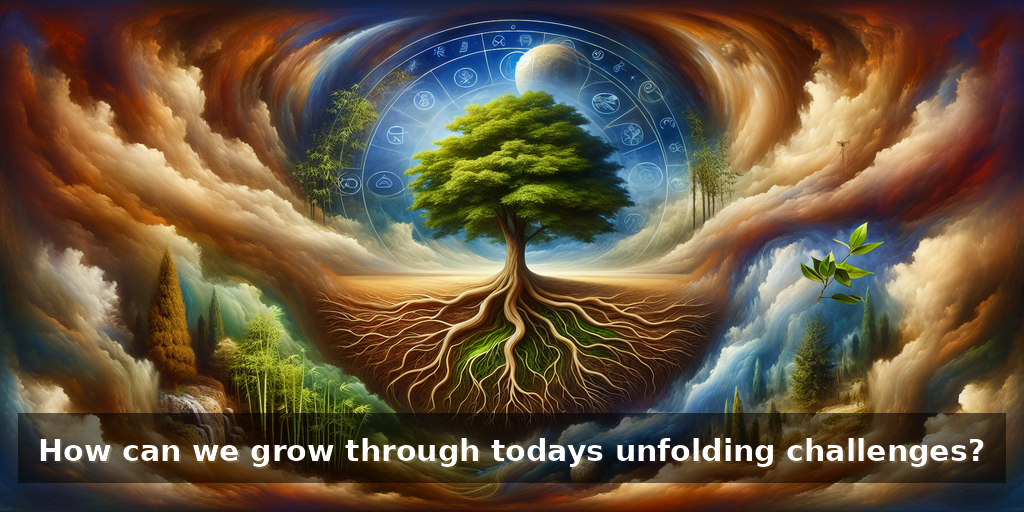
Today's astrological image reveals a tree rooted amidst swirling clouds, embodying the resilience of Four Green Wood (四緑木星). It symbolizes growth and strength in adversity, encouraging us to find stability amid chaos. The image evokes Wood's energy beautifully, urging us to root ourselves in strength and reach for the sky, no matter the challenges we face.
📰 News Context & Nine Star Ki Connection
This news event aligns with the energy of Four Green Wood (四緑木星) because it reflects the struggle for movement and expansion in a constrained world. Like Hana, a fictional café owner in Austin facing financial stress and yearning to expand her business, many individuals encounter the challenge of growth in stagnation. The cosmic energies urge us to find paths where none seem present.
⭐ Nine Star Ki Element Insights
The wood element in Nine Star Ki astrology represents growth, expansion, and potential. It’s akin to a tree reaching for the sky, urging us to innovate and adapt. Wood's vitality inspires us to seek creative solutions and embrace new beginnings, even when circumstances appear limiting. This energy is a call to harness the power of transformation within ourselves and our surroundings.
🌟 Oracle Ayano's Guidance
As we face the current mobility crisis, Oracle Ayano's guidance encourages us to:
- Cultivate Connections: Engage with community networks and collaborative projects to revitalize your personal and professional landscape.
- Foster Flexibility: Embrace adaptability by exploring new skills or interests that enrich your life.
- Inspire Innovation: Brainstorm creative solutions to everyday challenges, channeling Wood’s energy.
- Nurture Patience: Allow yourself the grace to grow steadily, trusting in the journey like a tree reaching for the sun.
📜 Historical Patterns
During Japan’s Meiji era, the energy of Wood drove transformative railway reforms, connecting distant regions and fueling economic expansion. This historical parallel reminds us that even amidst stagnation, the spirit of innovation and growth can lead to remarkable change. It invites us to rethink and rebuild our pathways to progress, just as Meiji reforms once did.
Call to Action: Your Path to Growth
Reflect on this: What’s one step you’ll take today to embrace growth and change? 🌱 Join our discussion on X with #CosmicGrowth, and share your journey in our weekly Spaces event. Together, we can inspire one another to harness the cosmic energies that guide us towards a vibrant future.
May the wisdom of the stars illuminate your path, empowering you to navigate life’s challenges with clarity and purpose. 🌟